

As Australia works toward net-zero emissions and more circular use of resources, the way we design and deliver buildings is being fundamentally rethought. One approach gaining momentum — both globally and locally — is adaptive reuse: the practice of repurposing existing buildings for new functions instead of demolishing them and starting again. By reimagining what already exists, adaptive reuse offers a powerful pathway to reduce emissions, minimise waste and create resilient, future-ready places.
WHAT IS ADAPTIVE REUSE?
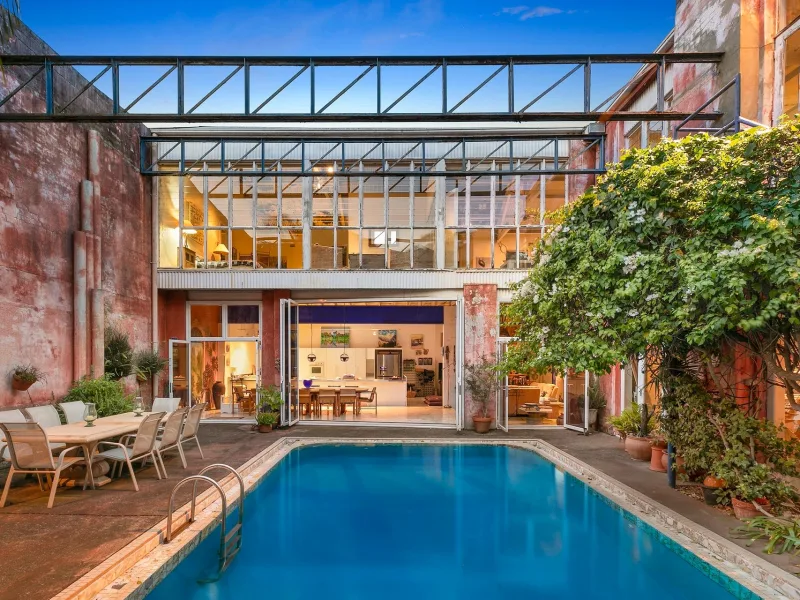
Adaptive reuse involves changing the use of an existing building while retaining its core structure and materials. It goes beyond cosmetic refurbishment, requiring designers and project teams to creatively reinterpret buildings to meet contemporary needs — such as converting warehouses into apartments, offices into education spaces, or heritage buildings into mixed-use developments.
This approach is often summed up by the idea that “the greenest building is the one that already exists.” Peer-reviewed research supports this view, showing that reusing existing structures can save between 50–75% of embodied carbon emissions compared to new construction. By retaining the materials, structure and energy already invested in a building, adaptive reuse avoids the carbon and resource costs associated with demolition and replacement.
WHY ADAPTIVE REUSE MATTERS FOR CLIMATE AND ENVIRONMENT
The built environment is a major contributor to climate change, responsible for approximately 30–40% of global energy use and greenhouse gas emissions when construction and operation are combined. In Australia, construction and demolition waste represents one of the largest waste streams, placing pressure on landfill and resource supply chains.
Adaptive reuse directly addresses these challenges by shifting the construction paradigm:
- Preserving embodied carbon: Retaining existing structures keeps the carbon already embedded in materials in use, rather than releasing it through demolition and replacement.
- Reducing waste: Adaptive reuse can divert a significant proportion of building materials from landfill, dramatically cutting construction and demolition waste.
- Lowering lifecycle emissions: By reducing the need for new materials and transport — both highly carbon-intensive processes — reuse delivers substantially lower whole-of-life emissions.
- Supporting circular economy principles: Adaptive reuse keeps buildings and materials in productive use for longer, aligning strongly with circular design goals.
DRIVING BETTER DESIGN AND URBAN OUTCOMES
Beyond environmental benefits, adaptive reuse reshapes how architects and planners approach design. It encourages creativity within constraints, blending heritage, character and modern performance requirements. Across Australian cities, reused buildings have demonstrated their ability to deliver cultural value, commercial viability and strong community outcomes.
Adaptive reuse also supports broader urban sustainability objectives. By concentrating development within existing urban areas, it reduces sprawl, supports public transport use and strengthens local identity all critical factors as Australian cities grow under increasing climate pressure.
HOW ESD CONSULTANCY STRENGTHENS ADAPTIVE REUSE OUTCOMES
While adaptive reuse is often driven by architectural, heritage or planning considerations, its long-term success depends on how effectively sustainability principles are embedded throughout the project lifecycle. This is where an Environmentally Sustainable Design (ESD)consultancy plays a critical role — translating the intent of reuse into measurable environmental, operational and occupant outcomes.
Research consistently shows that retaining and upgrading existing buildings delivers substantial lifecycle carbon savings, particularly when supported by rigorous performance analysis. In Australia, where emissions reduction, waste minimisation and building resilience are increasingly embedded in policy and planning frameworks, ESD-led adaptive reuse provides a practical route to climate-aligned development.
An ESD consultancy like SUHO supports adaptive reuse projects from early feasibility through to delivery by identifying sustainability opportunities unique to existing buildings. Early ESD input helps project teams quantify the benefits of reuse, assess building fabric performance, and set realistic targets for energy efficiency, thermal comfort and operational performance — often strengthening the case for retention over demolition.
Through services such as ESD planning, Section J assessments, NatHERS modelling and performance-led design advice, SUHO works alongside architects and engineers to optimise building upgrades without compromising architectural intent. Existing buildings often present constraints— fixed orientations, heritage façades or legacy construction methods — and detailed modelling ensures interventions such as insulation, glazing, shading and services upgrades deliver genuine comfort and efficiency gains.
Adaptive reuse projects also increasingly align with recognised sustainability benchmarks. SUHO’s experience with Green Star, BESS and other planning-linked frameworks allows reused buildings to demonstrate credible performance, support approvals and contribute to broader ESG and net-zero objectives. Independent assessment provides confidence for councils, investors and occupants alike.
Importantly, ESD consultancy shifts adaptive reuse from a compliance exercise to a performance-driven design approach. By considering whole-of-life impacts — including energy, water, material durability and occupant wellbeing — reused buildings can be lower-carbon, resilient and fit for long-term use.

A SUSTAINABLE PATH FORWARD
In the context of climate urgency and resource constraints, adaptive reuse stands out as one of the most effective tools available to the construction industry. By conserving embodied carbon, reducing waste and enabling thoughtful urban evolution, it allows cities to grow while respecting environmental limits.
When combined with early, integrated ESD expertise, adaptive reuse becomes more than conservation — it becomes a powerful strategy for delivering circular, low-carbon and people-centred buildings across Australia’s evolving urban landscape.
References
Department of Climate Change, Energy, the Environment and Water (DCCEEW) – Adaptive Reuse: Preserving our past, building our future – Australian government publication on environmental and heritage benefits of reuse. https://www.dcceew.gov.au/parks-heritage/heritage/publications/adaptive-reuse?utm_source=chatgpt.com
Architectural Record – Case studies showing significant embodied carbon savings from adaptive reuse projects, including real-world examples of reuse saving thousands of tonnes of emissions. https://www.architecturalrecord.com/articles/15481-continuing-education-embodied-carbon-adaptive-reuse?utm_source=chatgpt.com
Fraser & Partners research – Quantifies environmental benefits of adaptive reuse, including CO₂ savings and avoided waste relative to demolition and new build. https://www.fraserandpartners.com.au/research/adaptive-reuse?utm_source=chatgpt.com
Ramboll Insights – Emphasises adaptive reuse’s dual impact on embodied and operational emissions and the systems thinking needed to integrate reuse into sustainable urban development. https://www.ramboll.com/en-apac/insights/decarbonise-for-net-zero/a-holistic-approach-to-adaptive-reuse-systems-thinking-to-sustainable-transformation?utm_source=chatgpt.com
Western Sydney University Research – Peer-reviewed academic discussion of adaptive reuse’s sustainability implications in built environment practice. https://researchers.westernsydney.edu.au/en/publications/adaptive-reuse-in-sustainable-development/?utm_source=chatgpt.com
Architecture 2030 Carbon Calculator (CARE Tool) – New tools to help quantify carbon savings from reuse versus new construction, supporting design decisions. https://builtoffsite.com.au/news/architecture-2030-launches-free-carbon-calculator-for-adaptive-reuse-projects/?utm_source=chatgpt.com


