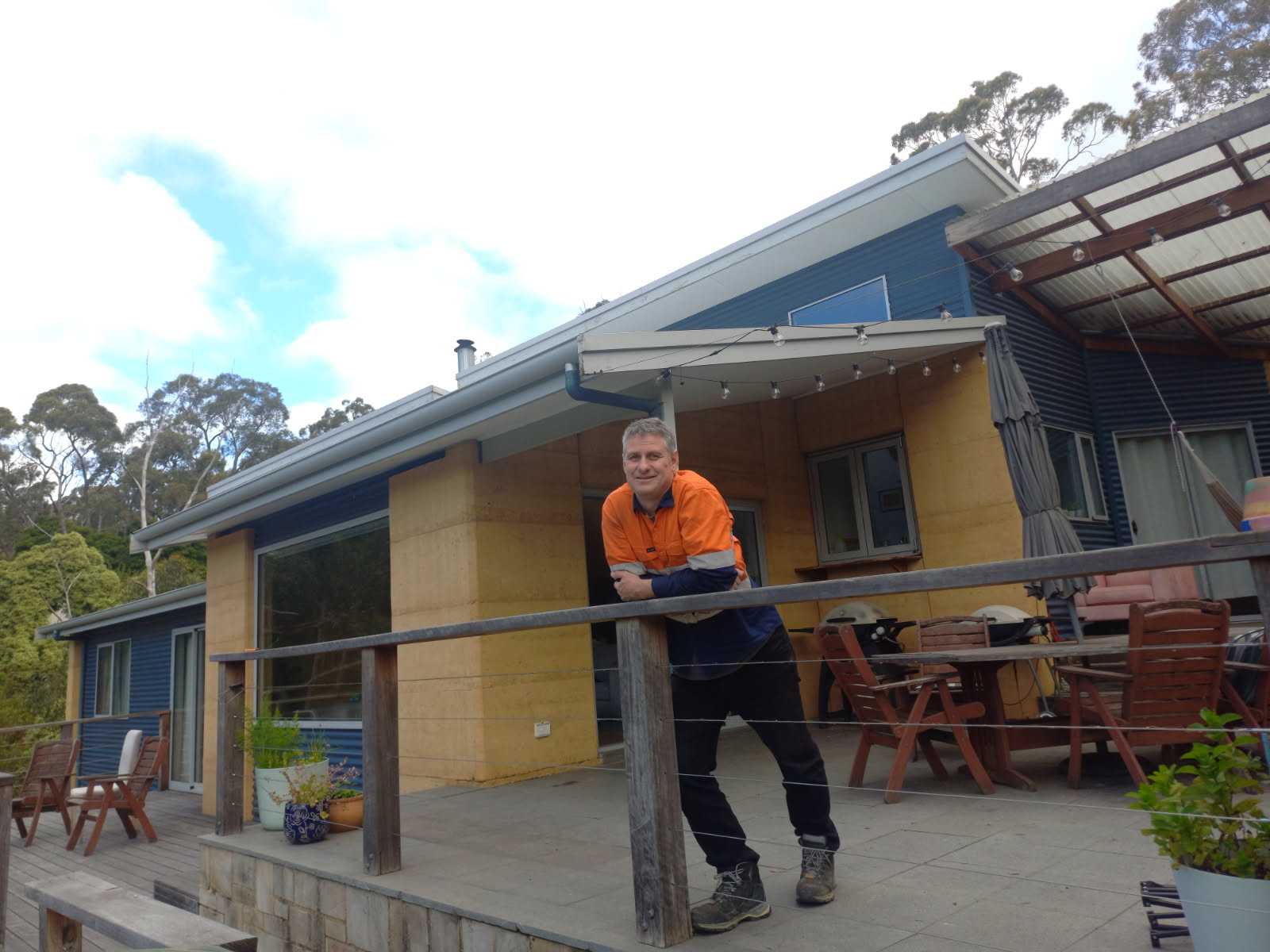
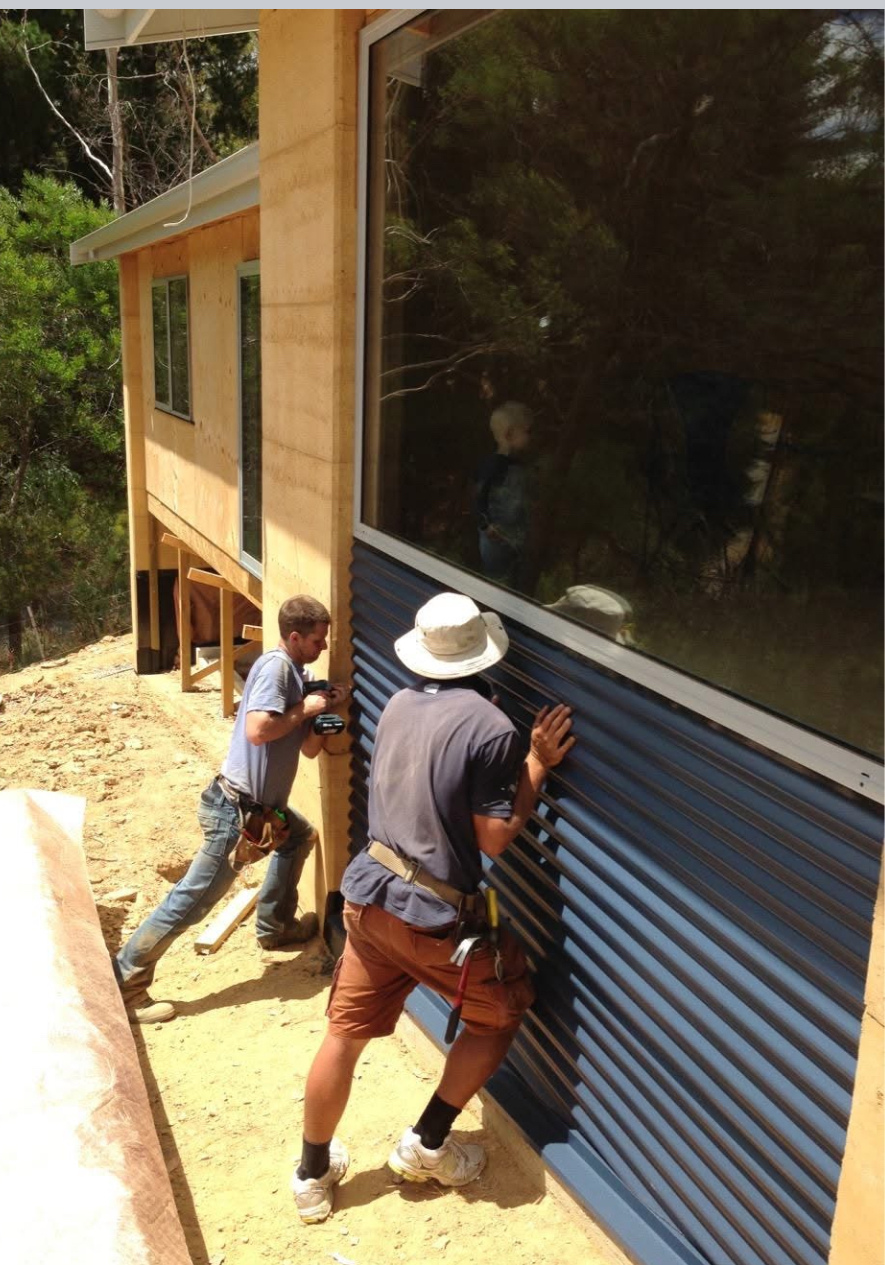
I’ve worked on plenty of homes over the years, mainly building rammed-earth walls. I’ve always cared about good design and solid construction, especially passive solar orientation and insulation. I thought that was enough to make a home comfortable and efficient.
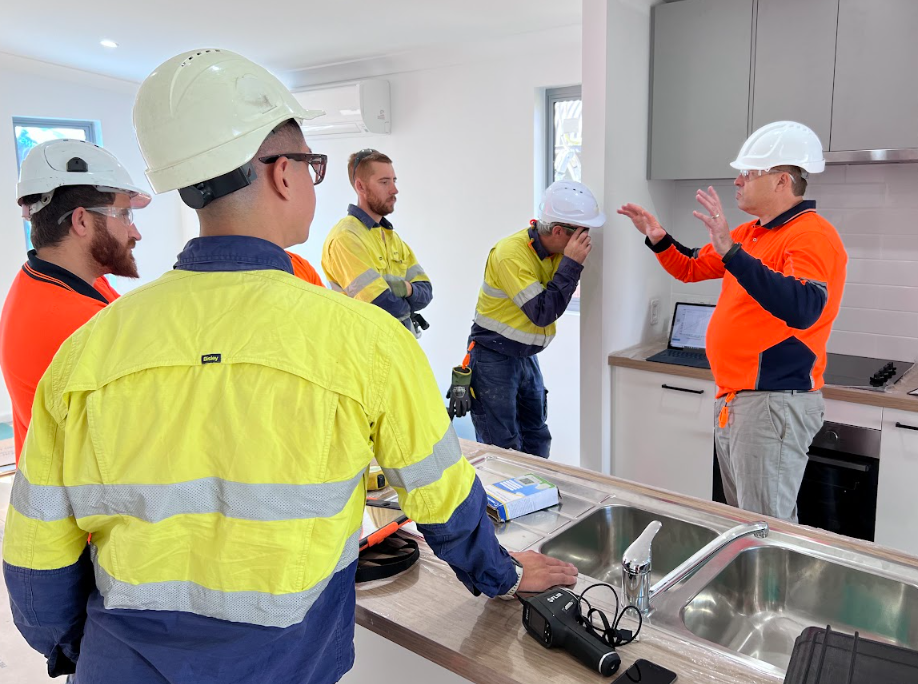
Then I came across airtightness. At first, it sounded a bit unnecessary, something for cold European climates. But when I learned how much air actually leaks through an ordinary Australian house, I was surprised. When I saw a blower door test for the first time, it was interesting. Air was sneaking out of tiny gaps around skirtings, sliding doors, vents, power points and heat lamps. The house looked sealed, but it was leaking energy.
To heat or cool your home, you use power — whether that’s through your air conditioner, heater, or another system. When your home isn’t airtight, that heated or cooled air escapes through all those little cracks and gaps, forcing your systems to work harder and costing you more. Essentially, you’re paying to heat and cool the outdoors.
That’s when it clicked: you can’t insulate for air leaks. Airtightness isn’t about wrapping a house in plastic; in fact, that would just trap moisture and create bigger problems down the track. Instead, it’s about designing a continuous, breathable barrier that controls air movement while still allowing for proper moisture management. Once you take control of air movement, everything improves: thermal comfort, energy efficiency, moisture control, and even noise reduction.
I’ve started thinking about air control in the same way I think about insulation: as a defined layer in the building that needs to be planned, protected, and connected. The key is continuity; making sure the barrier runs seamlessly from wall to ceiling to floor, and around every penetration like pipes, windows, and doors. Paying attention to the joinery (that’s the detailed work where different materials and elements meet, such as where a window sits within a wall, or a door meets its frame) is especially important, because that’s where air loves to sneak through.
It doesn’t cost much extra to build this way, but the difference is obvious: a more stable temperature, no draughts, and a calm, quiet feel inside.
Now I think all builders and designers should consider airtightness. For me, it’s not about chasing a European standard. It’s about building better, more comfortable Australian homes. Once you’ve seen how much air leaks from a “normal” build, you’ll never look at walls, ceilings, or penetrations the same way again.
About the author:
Jeremy Makin is a licensed builder based in South Australia. He is an Airtightness Consultant for SUHO and is passionate about practical, science-based building methods that make homes more comfortable, durable, and sustainable.