
What is WSUD?
Integrating water, design and resilience into Australia’s built environment
As Australian cities continue to grow, the way we manage water within our built environments is undergoing a quiet but significant transformation. Increasingly, planning frameworks are shifting away from traditional drainage approaches toward a more integrated model — known as Water Sensitive Urban Design (WSUD).
WSUD is not simply a technical solution. It is a design philosophy that recognises water as a valuable resource and seeks to embed it thoughtfully into the planning, design and delivery of our cities.
Understanding WSUD
Water Sensitive Urban Design is a holistic approach to managing the urban water cycle — integrating stormwater, groundwater, wastewater and water supply into the built environment.
Rather than directing stormwater rapidly into pipes and waterways, WSUD aims to capture, treat, reuse and slow water within the landscape, mimicking natural hydrological processes.
This can be achieved through a range of design interventions, including:
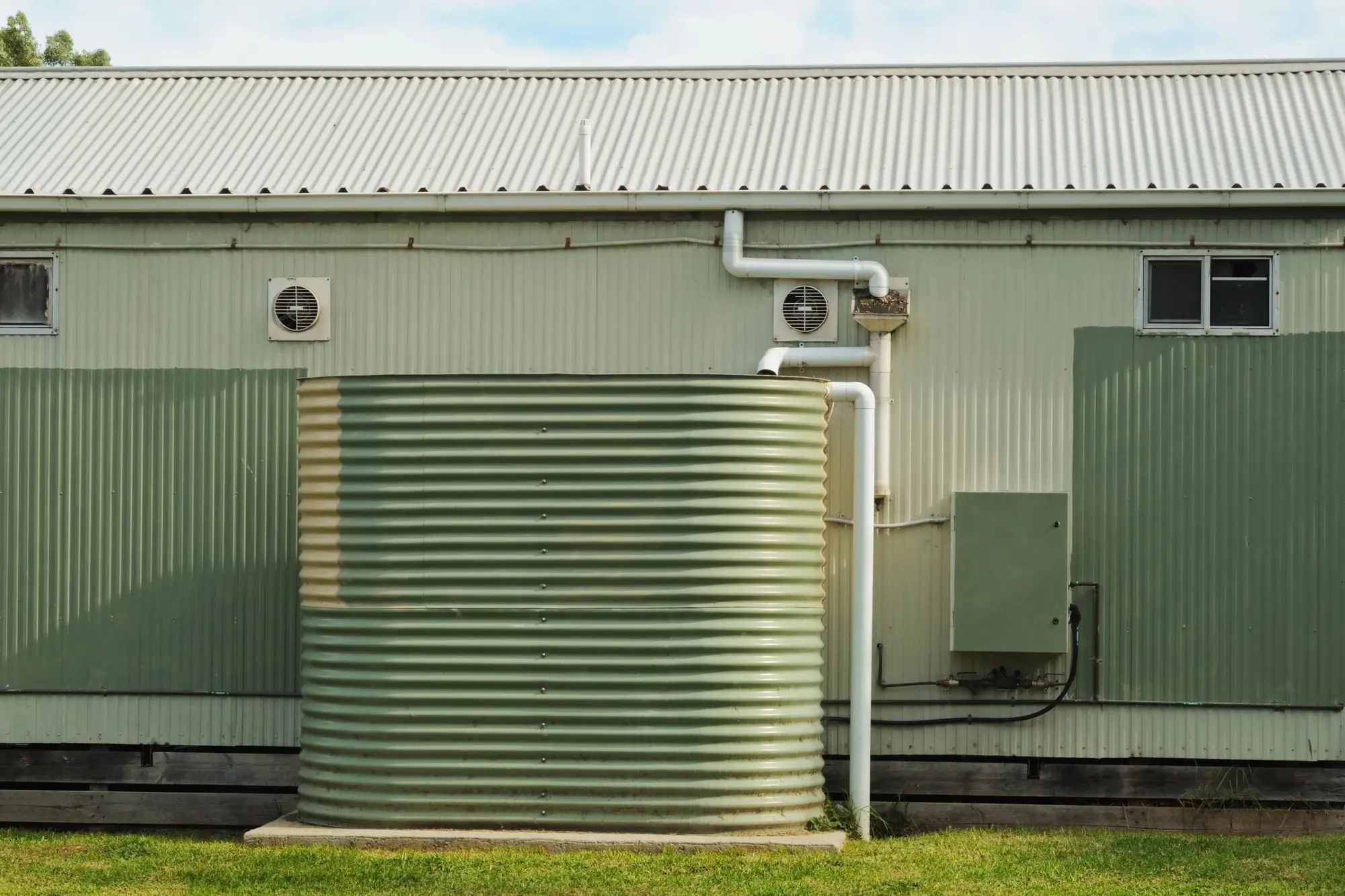
- Rainwater harvesting systems
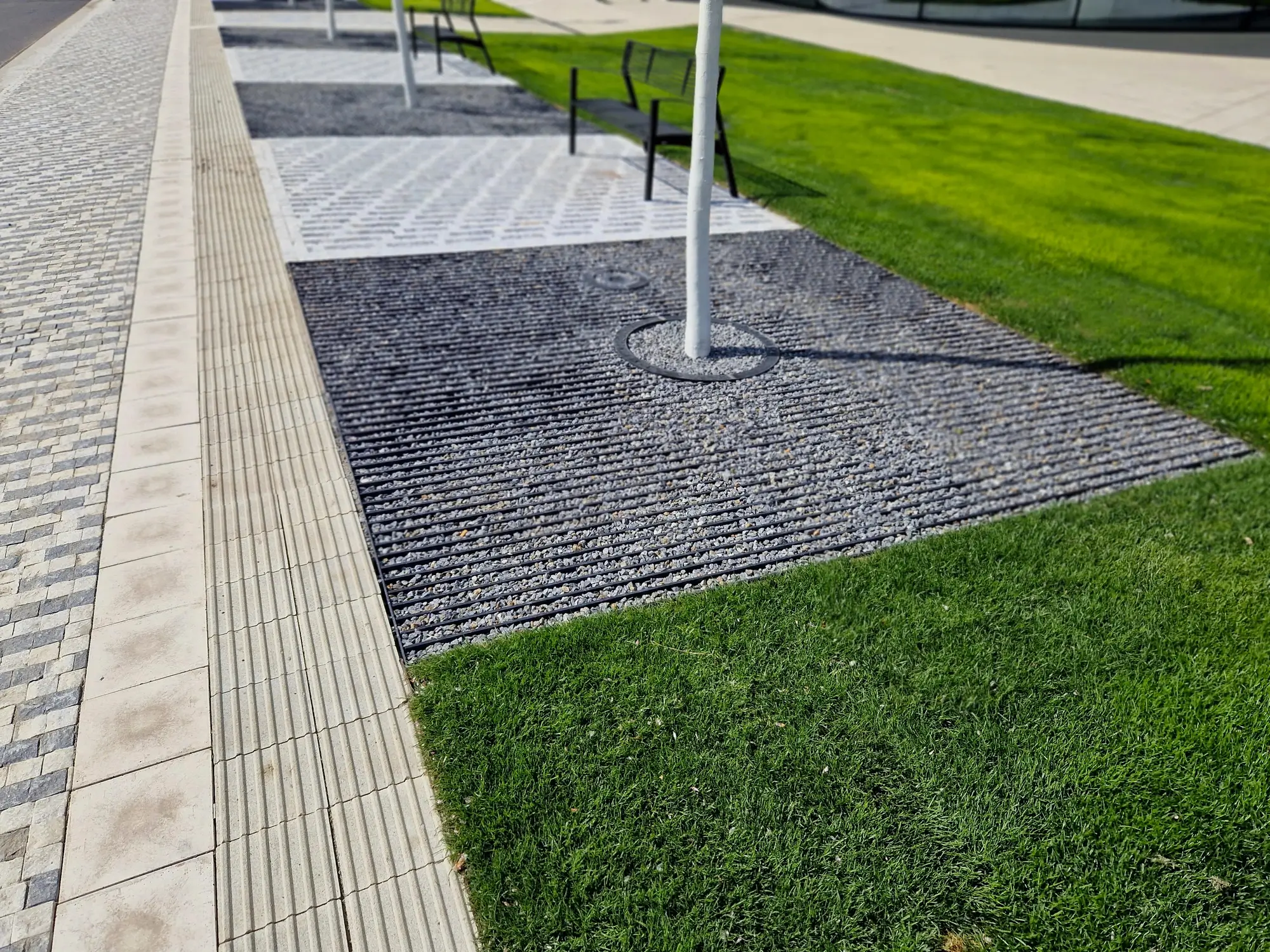
- Bio-retention systems such as raingardens and swales
- Permeable paving and infiltration systems
- Constructed wetlands and landscaped drainage corridors
- Integration of water into public realm and open space
At its core, WSUD seeks to reduce environmental impact while enhancing urban amenity, resilience and liveability.
.webp)
Why WSUD Matters
Traditional urban development has significantly altered natural water cycles — increasing runoff, transporting pollutants and placing pressure on waterways.
WSUD addresses these challenges by:
- Improving stormwater quality before it reaches waterways
- Reducing flood risk and peak runoff volumes
- Lowering reliance on potable water through reuse strategies
- Supporting urban cooling and reducing heat island effects
- Enhancing biodiversity and landscape outcomes
Beyond environmental outcomes, WSUD contributes to more resilient, comfortable and attractive places, aligning closely with broader sustainability and placemaking objectives.
WSUD in Planning Approvals Across Australia
While WSUD is not governed by a single national framework, it is increasingly embedded within state planning systems and local government requirements — particularly in relation to stormwater management and integrated water strategies.
Victoria
In Victoria, WSUD is embedded within planning provisions such as Clause 56 for residential subdivisions, which requires integrated water management and stormwater treatment outcomes.
This means WSUD is often a core consideration at planning permit stage, particularly for larger developments and subdivisions.
New South Wales
Across NSW, WSUD is typically implemented through local council development controls and stormwater management guidelines.
Many councils require developments to demonstrate how stormwater will be:
- Treated on-site
- Managed to reduce runoff impacts
- Integrated into landscape design
WSUD measures such as rainwater tanks, biofilters and on-site detention are commonly expected as part of DA submissions.
Queensland
In Queensland, WSUD is commonly addressed through stormwater quality objectives and local planning schemes, particularly in South East Queensland growth areas.
While not always labelled explicitly as WSUD, developments are often required to:
- Meet water quality targets
- Incorporate stormwater treatment systems
- Address flood resilience and catchment impacts
Australian Capital Territory (ACT)
The ACT provides one of the clearest examples of WSUD as a formal planning requirement, where developments must demonstrate how WSUD principles are applied to protect waterways and manage water efficiently.
A National Trend — But Not Yet Fully Consistent
Despite widespread adoption, WSUD implementation across Australia remains inconsistent between jurisdictions, with varying levels of detail and enforcement.
However, the overall direction is clear:
WSUD is transitioning from best practice to expected practice, particularly as climate resilience, flood mitigation and water security become more critical.
From Compliance to Opportunity
For many projects, WSUD is initially introduced as a planning requirement — something to be addressed to secure approval.
However, when considered early and integrated into design thinking, WSUD becomes far more than compliance. It offers an opportunity to:
- Enhance site performance and resilience
- Improve landscape and public realm outcomes
- Reduce long-term operational impacts
- Contribute to broader ESD and ESG objectives
A More Integrated Future
As Australia continues to respond to climate pressures, population growth and evolving planning expectations, WSUD will play an increasingly central role in shaping our built environment.
By treating water as a design driver — rather than a constraint — WSUD enables the creation of places that are not only compliant, but resilient, liveable and environmentally responsive.
If WSUD is a requirement for your development, we can help.
Get in touch with SUHO to ensure your approach meets planning requirements while delivering meaningful environmental outcomes.