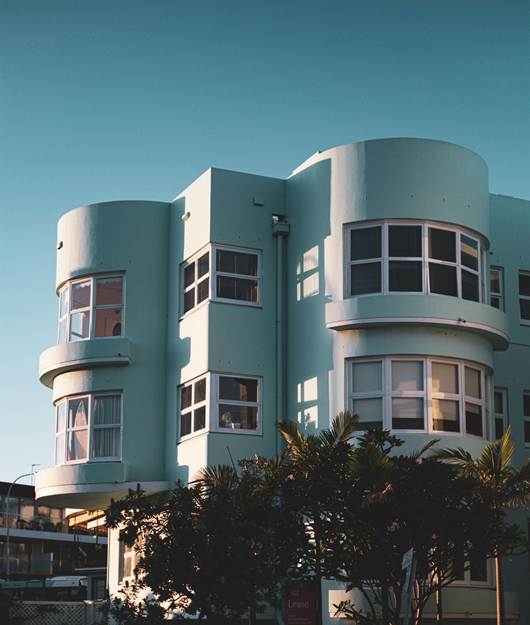
Photo by Angie Baongoc on Unsplash.
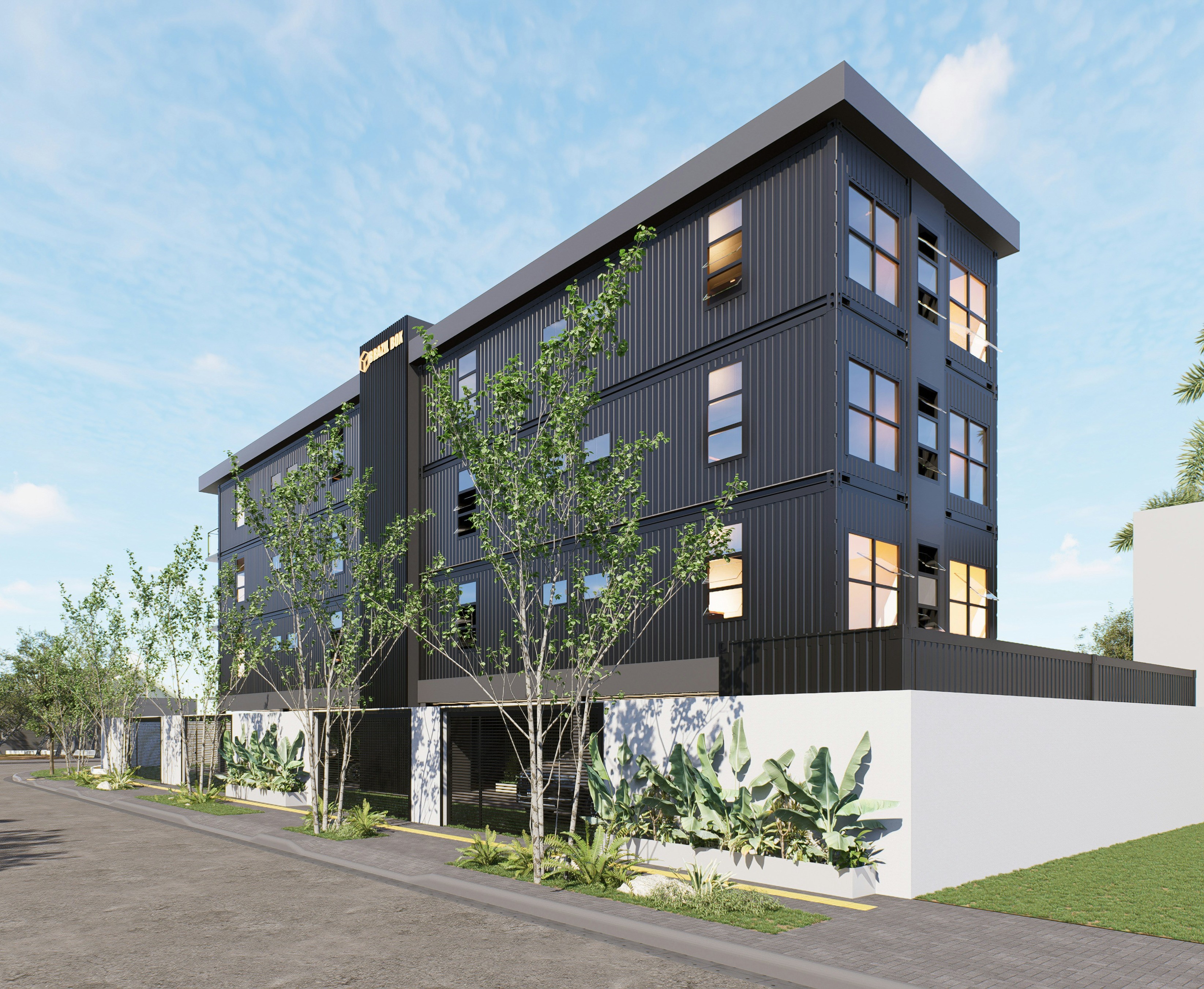
Across Australia, our housing landscape is navigating a period of real transition. While residential construction has slowed in recent years under the weight of rising material costs, labour shortages, and economic pressures, recent policy shifts offer a welcome turning point. In particular, reforms that channel tax incentives exclusively into brand-new dwellings are set to encourage fresh investor capital directly into expanding our housing supply.
As build activity picks up to meet this growing demand, an important question faces our industry: How do we ensure the homes we build today comfortably shelter future generations without locking in the need for expensive, disruptive retrofits down the track?
At SUHO, our daily work centres on evaluating building performance and advocating for climate-resilient design. When new housing pipelines open up, getting thermal performance right the first time becomes vital. By stepping back to examine both legacy housing challenges and new build standards, it becomes clear that Australia has a unique opportunity to break free from short-term construction strategies and build for long-term endurance.
Learning from the Past: The Retrofit Imperative
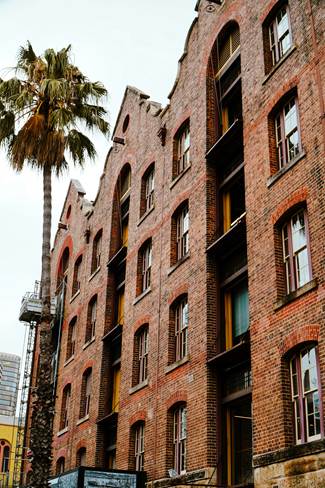
For decades, Australian residential construction prioritised initial build costs overlong-term envelope performance. The legacy of that era is something many households live with today: millions of existing homes built under older National Construction Codes (NCC) function as thermal "sieves", i.e., costly to heat in winter and sweltering during summer heatwaves.
Recognising the human and financial strain this places on residents, governments and industry bodies have initiated major remediation programs. A key example is the $1.1 billion Social Housing Energy Performance Initiative (SHEPI), a joint Federal and State program aimed at upgrading energy efficiency, reducing power bills, and improving thermal safety for vulnerable tenants.
To support targeted capital allocation under SHEPI, property consultancy Urbis (in partnership with organisations like CHIA NSW) delivered the HERO Archetype Modelling for SHEPI Social Housing study. By examining over 46,000 properties across 17 climate zones, the project established 1,836 representative property archetypes to simulate potential upgrade bundles, from basic draught sealing and ceiling insulation top-ups to full electrification and rooftop solar PV.
Our team at SUHO was instrumental in this foundational work, delivering the comprehensive Energy Efficiency Assessments across the property archetypes. Utilising NatHERS-accredited HERO software, our thermal analysts modelled baseline energy profiles and quantified the tangible comfort and energy-saving benefits that targeted retrofits deliver.
While retrofitting legacy housing stock is vital, necessary work, it also highlights an important lesson: remediating a building after it is built is always more complex and costly than designing it correctly from the start.
"Fixing older homes through initiatives like SHEPI is essential work. But it also presents a clear opportunity: ensuring every new home built today is thermally resilient from day one."
The Modern Dilemma: Designing for Yesterday’s Climate
While retrofitting legacy stock moves us in the right direction, contemporary building standards still face a structural challenge regarding future climate conditions.
A study published in Energy and Buildings and highlighted by ArchitectureAU (authored by Shamila Haddad, Arianna Brambilla, Jingjing Liu, and Mat Santamouris) examines vulnerabilities in high-density apartments constructed to current NCC and BASIX frameworks.
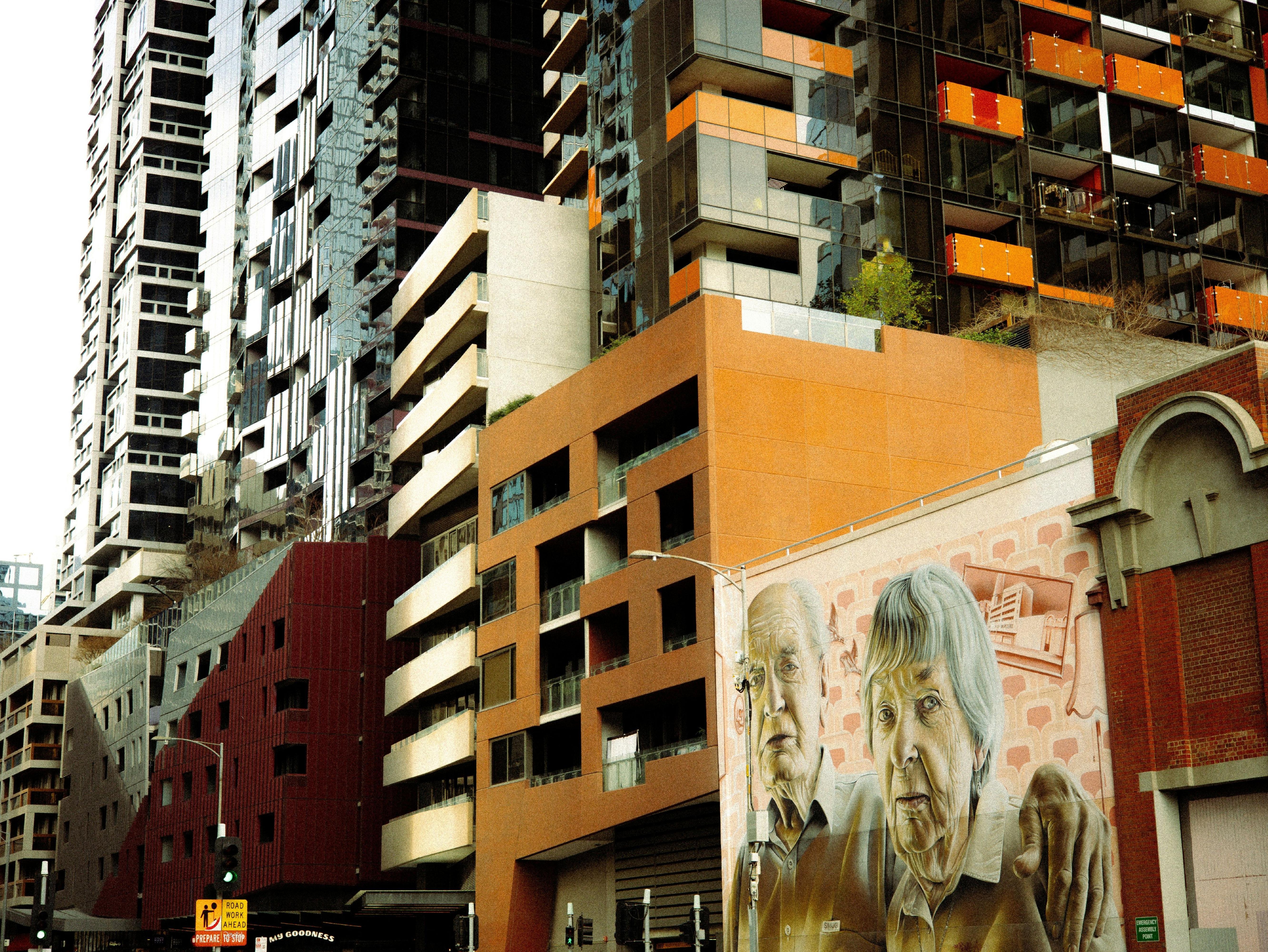
Because standard compliance pathways rely primarily on historical climate files, many modern apartments, particularly in fast-growing inland regions like Western Sydney, risk becoming "heat traps" during prolonged heatwaves. The study projected that by 2050, indoor temperatures in code-compliant apartments could exceed 30°C for multiple consecutive weeks if power grid interruptions restrict mechanical cooling.
This dynamic is reinforced by broader research from the Australian Housing and Urban Research Institute (AHURI), which notes that small-scale retrofits or exclusive reliance on mechanical air conditioning are insufficient long-term solutions for climate adaptation. When active cooling fails during extreme weather events, high-mass or highly glazed building envelopes without adequate passive shading retain heat, placing health and financial burdens on occupants.
Leaning into Solutions: How We Get It Right Today
The encouraging reality is that Australia already possesses the technical expertise, software tools, and design strategies needed to build climate-resilient homes today. By shifting focus from minimum compliance to long-term performance, our industry can deliver an urban fabric that remains safe, comfortable, and cost-effective for decades.
Key strategies to focus on include:
- Integrating Forward-Looking Climate Data in Assessments
Updating thermal performance assessment tools (such as NatHERS and HERO) to run compliance checks against projected 2050 climate scenarios alongside historical averages. Designing for future weather files ensures buildings perform predictably throughout their 50-to-100-year lifespan.
- Prioritising Passive Solar Design & Building Envelopes
Focusing on optimal orientation, external dynamic shading, high-performance insulation, and effective natural cross-ventilation. A building with a high-performing passive shell naturally buffers external extremes, keeping occupants safer during power outages.
- Mitigating Urban Microclimates
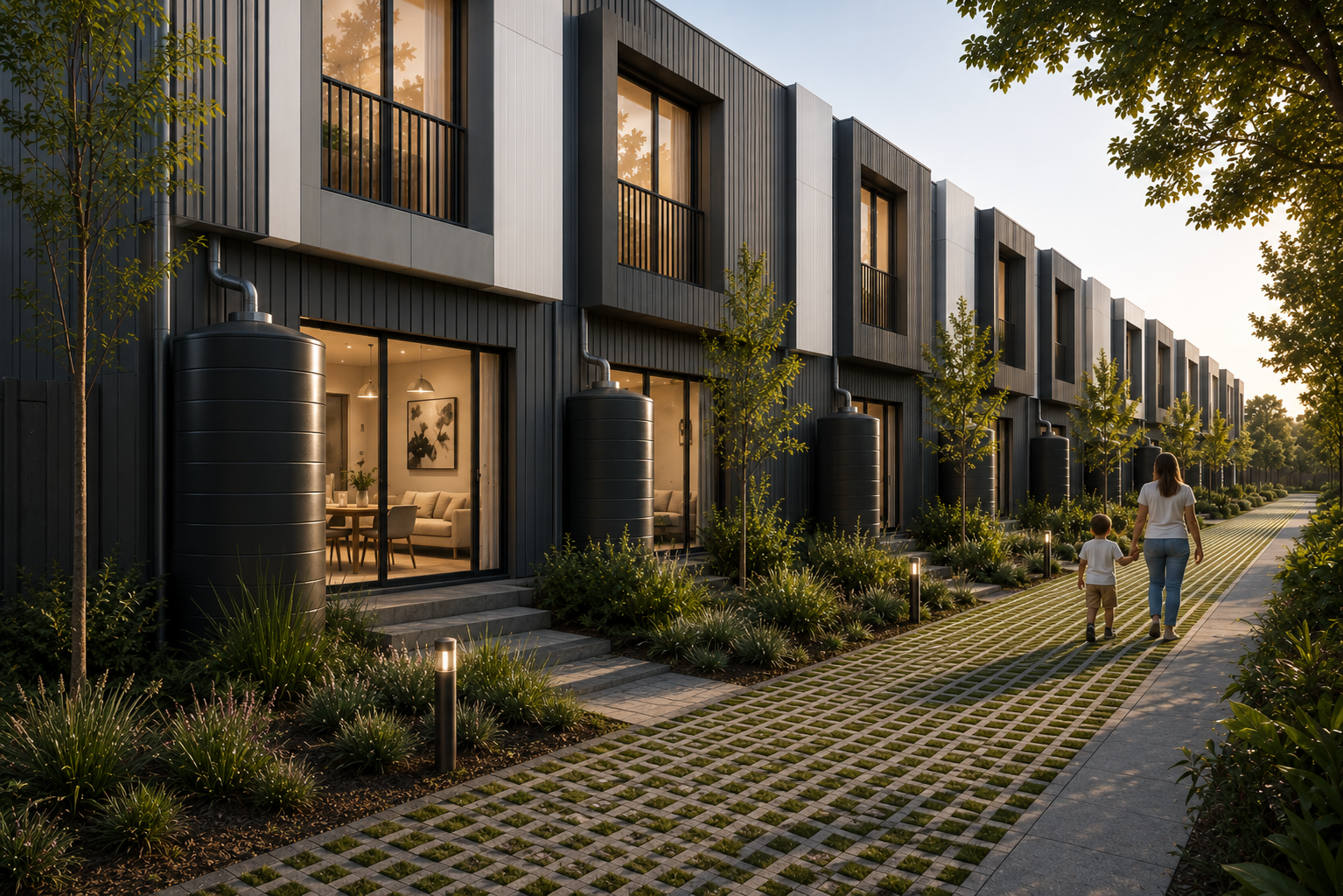
Incorporating light-coloured reflective surfaces (cool roofs), urban canopy coverage, and permeable landscaping into development master plans. Research from CSIRO on residential energy efficiency confirms that holistic envelope and microclimate design significantly improves indoor conditions while reducing strain on local energy grids.
- Adopting Life-Cycle Value Frameworks
Recognising that modest initial investments in high-efficiency glazing, thermal break detailing, and full electrification deliver significant long-term returns by eliminating the need for major structural retrofits in the future.
Seizing the Moment for Long-Term Impact
Creating a sustainable, climate-resilient built environment is an encouraging invitation to design healthier, brighter, and more durable places to live.
By taking the lessons from large-scale retrofit analyses, like the SHEPI archetyping work led by Urbis with SUHO’s thermal assessments, and pairing them with forward-looking climate research, Australia can continue building high-performing communities.
We have the tools, the data, and the expertise. If not now, when? Let’s work together to shape an urban fabric that stands the test of time.
References & Further Reading
- AHURI (2021): Climate change and low-income housing, Australian Housing and Urban Research Institute Brief.
https://www.ahuri.edu.au/research/brief/Climate-change-and-low-income-housing
- ArchitectureAU (2026): By 2050, many Sydney apartments built to today’s standards could be too hot for weeks at a time, written by Shamila Haddad, Arianna Brambilla, Jingjing Liu, and Mat Santamouris.
https://architectureau.com/articles/by-2050-many-sydney-apartments-built-to-todays-standards-could-be-too-hot-for-weeks-at-a-time/
- CHIA NSW / Urbis: Social Housing Energy Performance Initiative (SHEPI) & HERO Archetype Modelling.
https://www.chia.org.au/social-housing-energy-performance-initiative-shepi/
- CSIRO (2023): Residential energy efficiency: building for health and economic benefits, Commonwealth Scientific and Industrial Research Organisation.
https://www.csiro.au/en/research/technology-space/energy/Electricity-transition/Energy-efficient-living/Residential-energy-efficiency-builders
- SUHO: Energy Efficiency Assessments & Building Sustainability Consulting.
https://www.suho.com.au/